Identifying Common Website Navigation Pitfalls: Are You Missing the Mark?
In the vast digital landscape, website navigation serves as the backbone of user experience. However, many website owners overlook common pitfalls that can significantly hinder visitors from finding the information they need. One major mistake is cluttered menus; when options are too numerous or poorly organized, users can feel overwhelmed and abandon the site. Additionally, inconsistent navigation styles across different pages can create confusion, making it difficult for users to remember how to get back to their desired location. To prevent these issues, consider implementing a clear hierarchy and grouping related pages together.
Another crucial aspect to watch for is the absence of a search functionality. Users often prefer to search for content directly rather than scrolling through multiple menus. If they can't find a search bar, they may quickly leave your site in frustration. Furthermore, ignoring mobile optimization is a significant oversight; as mobile traffic increases, ensuring your navigation is responsive and user-friendly on all devices is essential. By addressing these common navigation pitfalls, you can enhance user experience and keep visitors engaged longer, ultimately improving your site's SEO performance.
The Impact of Poor User Experience: Why Your Visitors Are Leaving
In today's digital landscape, providing a seamless user experience is more crucial than ever. When visitors encounter poor user experience, they are likely to leave your site without engaging with your content. Factors such as slow loading times, confusing navigation, and cluttered layouts contribute significantly to this issue. In fact, research shows that even a one-second delay in loading time can result in a decrease in visitor retention. To retain your audience, it is essential to prioritize an intuitive design and fast performance that caters to their needs.
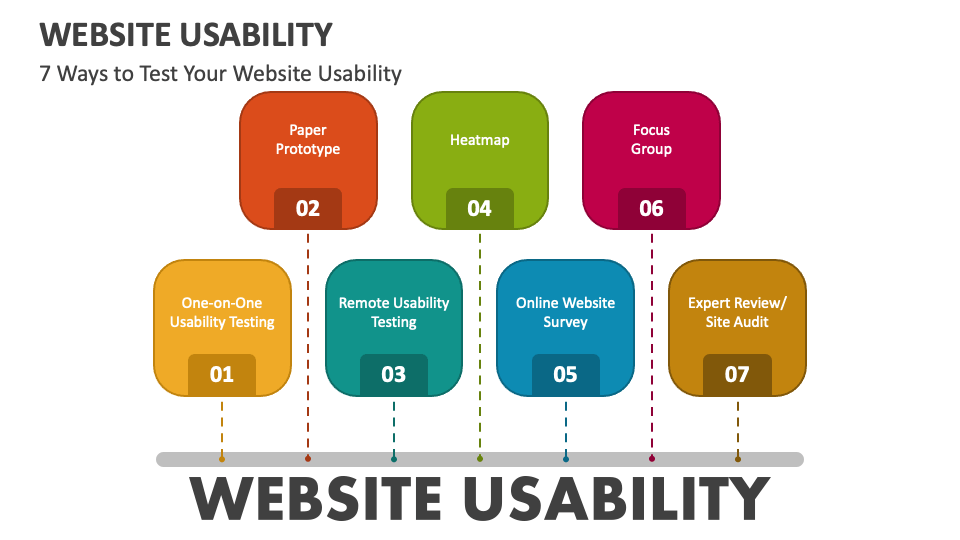
Moreover, the impact of poor user experience extends beyond just immediate exits; it can tarnish your brand's reputation. When users have negative experiences, they are less likely to return and more inclined to share their dissatisfaction with others. This can lead to a ripple effect, causing potential customers to think twice before engaging with your brand. To combat this, it's vital to regularly test and refine your website's usability. Listen to user feedback and make necessary adjustments to create a friendly and engaging environment that keeps your visitors coming back for more.
Top 5 User Experience Fixes to Transform Your Website from an Obstacle Course to a Smooth Path
In today's digital landscape, user experience (UX) plays a crucial role in determining whether visitors stay on your website or leave in frustration. If your site feels more like an obstacle course than a smooth path, it’s essential to identify and fix the pain points that hinder navigation and enjoyment. Here are the top 5 user experience fixes you can implement to transform your website:
- Improve Load Times: Slow loading times can frustrate users and lead to higher bounce rates. Optimize images, reduce server response time, and implement caching strategies to speed up your site.
- Simplify Navigation: A clear and logical navigation structure helps users find what they're looking for without confusion. Consider implementing a breadcrumb trail and ensuring your menu items are organized in a user-friendly manner.
- Enhance Mobile Responsiveness: With more users accessing websites via mobile devices, ensuring your site is fully responsive is vital. Utilize fluid grids and scalable images to create a seamless mobile experience.
- Improve Readability: Content that is easy to read encourages user engagement. Use adequate font sizes, sufficient line spacing, and contrast between text and background to improve readability.
- Incorporate Feedback Mechanisms: Allow users to provide feedback through surveys or contact forms to understand their pain points better. This direct insight can drive further improvements in user experience.