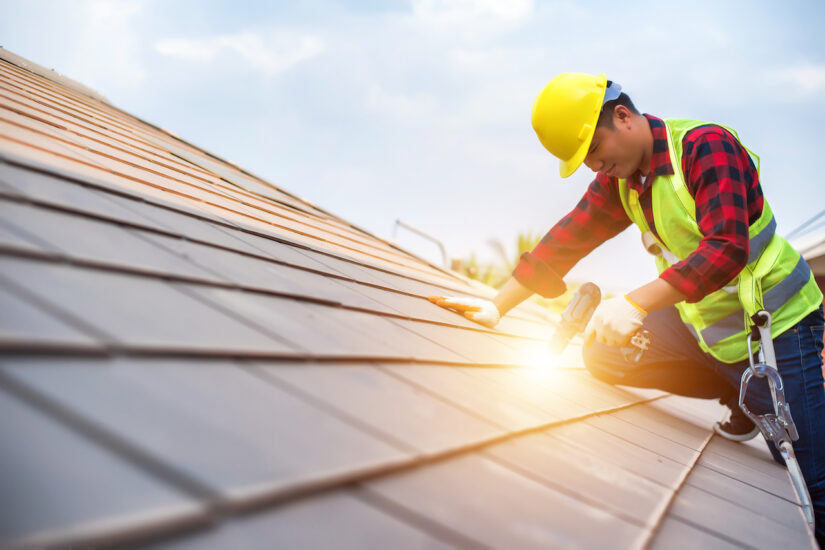
Top 5 Common Causes of Roof Leaks and How to Prevent Them
Roof leaks can be a homeowner's nightmare, often leading to costly repairs and extensive damage if not addressed promptly. The top five common causes of roof leaks include:
- Improper Roof Installation: Poor workmanship during installation can leave gaps and vulnerabilities in your roof.
- Age and Wear: Over time, roofing materials degrade, making them more susceptible to leaks.
- Clogged Gutters: When gutters are blocked, water can pool on the roof, leading to leaks. Regular maintenance is crucial.
- Flashing Issues: The metal strips that seal joints and seams can become damaged or corroded.
- Weather Conditions: Extreme weather, such as heavy rain or hail, can compromise the integrity of your roof.
Preventing roof leaks starts with proper maintenance and routine inspections. To protect your home, consider the following measures:
- Conduct Regular Inspections: Check for signs of damage or wear at least twice a year.
- Clear Gutters: Ensure your gutters are free from debris to allow for proper drainage.
- Repair Flashing: Inspect and repair any damaged flashing promptly to prevent water intrusion.
- Choose Quality Materials: Invest in durable roofing materials that withstand the test of time.
- Hire Professionals: Always use qualified contractors for installation and repairs to ensure your roof is adequately protected.
For more information on maintaining your roof and preventing leaks, visit Roofing Contractor and HouseLogic.
The Ultimate Guide to Emergency Roof Repairs: What to Do When Disaster Strikes
When disaster strikes and your roof suffers damage, knowing how to respond quickly can save you time, money, and stress. The first step in emergency roof repairs is to ensure your safety. If the damage occurs during a storm or severe weather, wait for conditions to stabilize before assessing the situation. Once it’s safe, check for visible damage, such as missing shingles or leaks inside your home. For a comprehensive understanding of roof safety, consider visiting the National Roofing Contractors Association.
After assessing the damage, it’s important to take immediate temporary measures to prevent further issues. Use tarps to cover exposed areas and buckets to catch leaks. This can minimize water damage and protect your home’s interior. If the situation is beyond your control or if you’re uncertain, it’s wise to contact a professional roofing contractor for prompt repairs. Remember, acting quickly can significantly reduce repair costs and improve your home’s safety long-term.
Is Your Roof Trying to Tell You Something? Signs It's Time for Professional Help
Your roof is more than just a protective covering for your home; it plays a crucial role in ensuring the overall safety and integrity of your living space. Ignoring subtle signs that your roof might be trying to communicate can lead to more significant issues down the line. Signs it's time for professional help may include visible wear and tear, such as curling or missing shingles, and water stains on your ceilings and walls. If you notice any of these elements, it is advisable to seek professional assistance before the problem escalates. For more details on maintaining your roof, check out this National Association of Certified Home Inspectors article.
Another key indicator that your roof needs immediate attention is the presence of mold or mildew growth, which often suggests underlying moisture problems. In addition to visual cues, you should also listen to your roof; strange sounds during storms or the rustling of shingles can indicate loose components. If you're experiencing any of these issues, don't wait too long to act. Consult a roofing professional to assess the condition of your roof and determine the best course of action. For more information about the importance of roof inspections, visit this Roofing Contractor article.