Unveiling the Secrets: How to Predict Your Website Traffic Trends
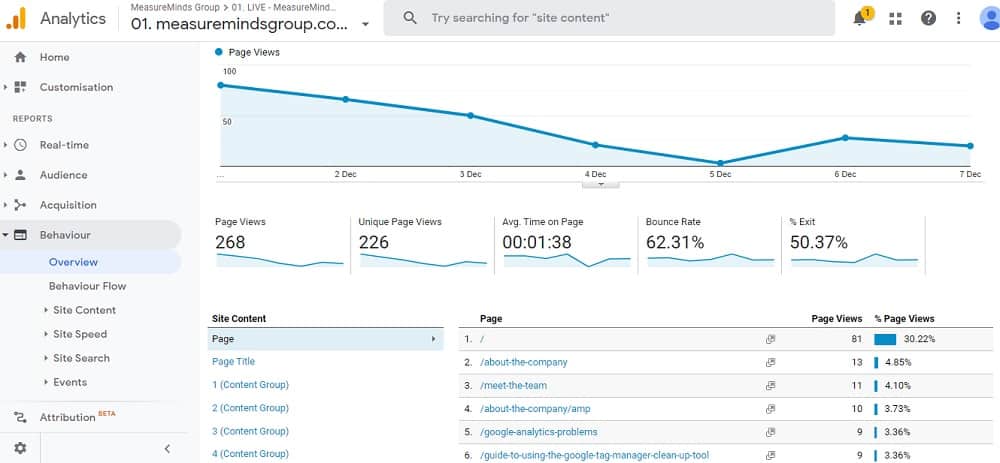
Understanding how to predict your website traffic trends is essential for optimizing your online presence and enhancing your digital marketing strategies. By analyzing historical data, you can identify patterns in visitor behavior that can inform your future content and promotional efforts. For instance, you might notice that traffic spikes during specific seasons or around particular events. Utilizing tools like Google Analytics, you can track metrics such as page views, bounce rates, and session duration to paint a clearer picture of what is driving your traffic.
Another vital aspect of predicting traffic trends is staying attuned to keywords and search engine optimization (SEO) changes. Implementing a robust keyword strategy based on current trends can significantly impact your website's visibility and traffic. To enhance your prediction capabilities:
- Conduct regular keyword research to identify emerging topics relevant to your niche.
- Monitor competitors to understand what is working for them and adapt accordingly.
- Utilize social media platforms to gauge interest in specific topics that may translate into website visits.
By combining these strategies, you can build a more comprehensive outlook on your website traffic trends and execute precise adjustments to your content plan.
The Ultimate Guide to Website Traffic Analysis: Tools and Techniques
Understanding website traffic analysis is crucial for any online business. It involves evaluating the behavior of visitors on your site, and tools such as Google Analytics, SEMrush, and Ahrefs can provide invaluable insights. Here are some key techniques that can enhance your analysis:
- User Behavior Tracking: This helps in understanding how visitors navigate your website.
- Conversion Rate Analysis: Identify which pages lead to conversions and which do not.
- Engagement Metrics: Monitor metrics such as bounce rate and average session duration to gauge visitor interest.
To maximize your website traffic analysis, consider implementing these advanced techniques. First, utilize heatmaps to visualize where users are clicking on your pages; this can reveal areas of improvement. Additionally, employing A/B testing can help you determine which changes to your site yield the best results in terms of visitor engagement. Finally, ensure to regularly review your traffic sources—organic, paid, and referral—to align your marketing strategies with the channels driving the most traffic to your site.
What Factors Influence Website Traffic and How Can You Optimize for Them?
Website traffic is influenced by a multitude of factors, each playing a critical role in how users discover and engage with your content. Key elements include search engine optimization (SEO), which enhances your site's visibility on search engines, and content quality, as high-quality, relevant content tends to attract more visitors. Additionally, factors like social media marketing, user experience, and website speed contribute significantly to your traffic levels. To maximize these elements, it's essential to conduct comprehensive keyword research, optimize on-page elements, and maintain a consistent posting schedule to keep your audience engaged.
To effectively optimize for these factors, consider implementing the following strategies:
- Leverage SEO tools: Utilize tools to analyze and refine your keyword strategy, ensuring your content caters to your target audience's search behavior.
- Enhance user experience: Improve your website's loading speed, mobile-friendliness, and navigational structure to retain visitors.
- Engage on social media: Share your content across various platforms to reach a broader audience and drive traffic.
- Regularly update content: Refreshing your existing posts and adding new content can keep your site relevant and encourage repeat visits.