10 Time Management Tips for Stress-Free Studying
Effective time management is essential for students who want to study stress-free. By prioritizing tasks and creating a structured schedule, you can maximize your productivity and minimize anxiety. Here are 10 time management tips to help you achieve a more organized study routine:
- Set Clear Goals: Define specific, measurable, and realistic study goals to stay focused and motivated.
- Create a Study Schedule: Allocate dedicated time slots for studying, ensuring you also include breaks.
- Prioritize Tasks: Use a task list ranked by urgency and importance to tackle your most pressing assignments first.
- Avoid Multitasking: Focus on one task at a time to improve concentration and retention.
- Use a Timer: Implement techniques like the Pomodoro Technique to break your study sessions into manageable chunks.
In addition to these strategies, maintaining a healthy work-life balance is crucial for stress-free studying. Here are some more helpful tips:
- Limit Distractions: Identify and eliminate any distractions in your environment to enhance focus.
- Regular Review: Schedule regular review sessions to reinforce your learning and reduce last-minute cramming.
- Stay Organized: Keep your study materials organized for easy access and to save time.
- Practice Self-Care: Take care of your physical and mental well-being to sustain long-term productivity.
- Reflect on Progress: At the end of each week, assess what worked and what didn’t, and adjust your strategies accordingly.
The Science of Effective Study Techniques: What You Need to Know
Understanding the science of effective study techniques is crucial for learners of all ages. Research has shown that certain methods can significantly enhance retention and comprehension. One of the most effective techniques is active recall, where students actively stimulate their memory during the learning process. This can be achieved through practices such as self-quizzing and teaching others. Additionally, using spaced repetition can improve long-term retention by revisiting material at strategically spaced intervals, rather than cramming information all at once.
Another important aspect of effective studying is creating an optimal study environment. A well-lit, quiet space free from distractions can greatly improve focus and productivity. It can also be beneficial to implement the Pomodoro Technique, which breaks study time into manageable intervals, typically 25 minutes of focused work followed by a 5-minute break. This structured approach not only helps maintain concentration but also gives the brain necessary rest periods to process information. By understanding these science-backed techniques, students can maximize their study efforts and achieve better academic results.
How to Create a Study Environment that Boosts Focus and Productivity
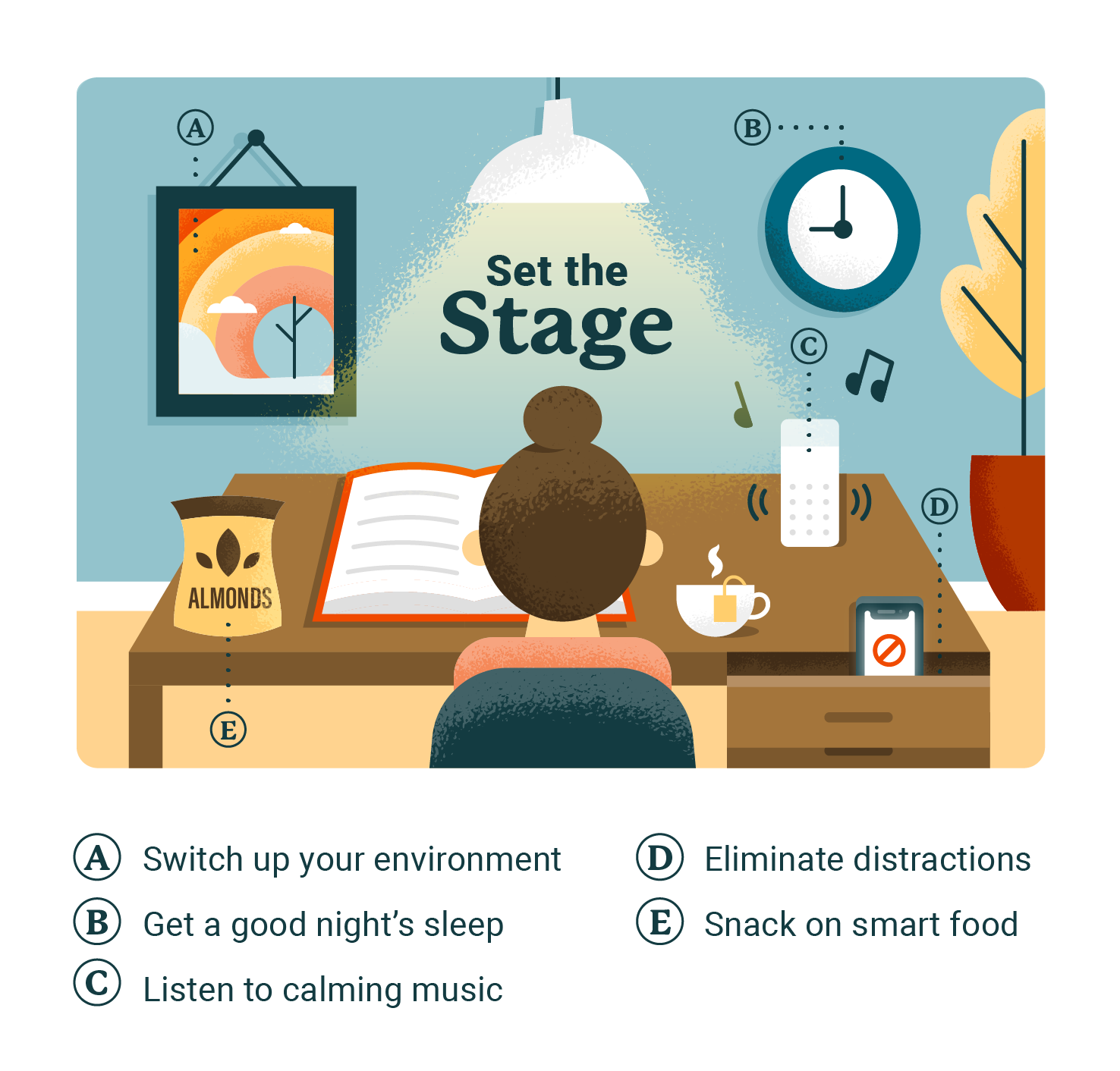
Creating a study environment that boosts focus and productivity is essential for effective learning. Start by choosing a dedicated space that is free from distractions. Ensure that this area is well-lit, quiet, and comfortable. Consider implementing the following tips:
- Minimize clutter to create a clear mind.
- Use ergonomic furniture to maintain comfort during long study sessions.
- Personalize your space with motivational quotes or images that inspire you.
In addition to your physical setup, it’s important to establish a routine that fosters focus. Set specific study hours and stick to them, as consistency can train your brain to be in study mode. Incorporate techniques like the Pomodoro Technique, where you study for 25 minutes and then take a 5-minute break. This method helps maintain productivity without leading to burnout. Finally, keep hydration and healthy snacks within reach to sustain energy levels as you delve into your studies.